Laser Sphincterotomy — Anal Fissure Treatment in Karachi
I am Dr. Abdullah Iqbal — Pakistan’s first laser proctologist, PMDC Verified #63108-S. At Karachi Piles Clinic, in Hill Park General Hospital, I treat acute and chronic anal fissures using laser sphincterotomy: a minimally invasive day-care procedure that breaks the spasm-pain cycle and lets most fissures heal within weeks.
- Laser sphincterotomy — no open external cuts
- Acute and chronic fissures treated
- Pain relief typically within 48–72 hours
- Same-day discharge — minimal incontinence risk
Acute
Treated Conservatively
Chronic
Needs a Procedure
48–72 hrs
Pain Relief Typical
Day-care
No Hospital Admission
Understanding the Condition
What Is an Anal Fissure?
An anal fissure is a small longitudinal tear or crack in the thin, moist tissue (mucosa) lining the anal canal. It most commonly occurs at the posterior midline of the anal opening — the 6 o’clock position. The tear exposes the underlying internal anal sphincter muscle, which goes into protective spasm. That spasm is what causes the severe, characteristic pain.
Fissures are classified as acute (present for less than 8 weeks) or chronic (persisting beyond 8 weeks). In my OPD, the majority of patients I see have already crossed the chronic threshold — usually because they tried home remedies, antibiotics from a pharmacy, or were told it was piles.
Chronic fissures develop a self-sustaining cycle: the sphincter spasm reduces blood flow to the tear, which prevents healing, which sustains the spasm. This cycle does not break on its own. In my experience, chronic fissures almost always require a procedure to heal reliably.
Acute fissures, on the other hand, often heal with the right conservative plan — high-fibre diet, sitz baths, stool softeners and, if needed, a topical GTN or diltiazem cream. I always start there for acute cases. Surgery is the last step, not the first.
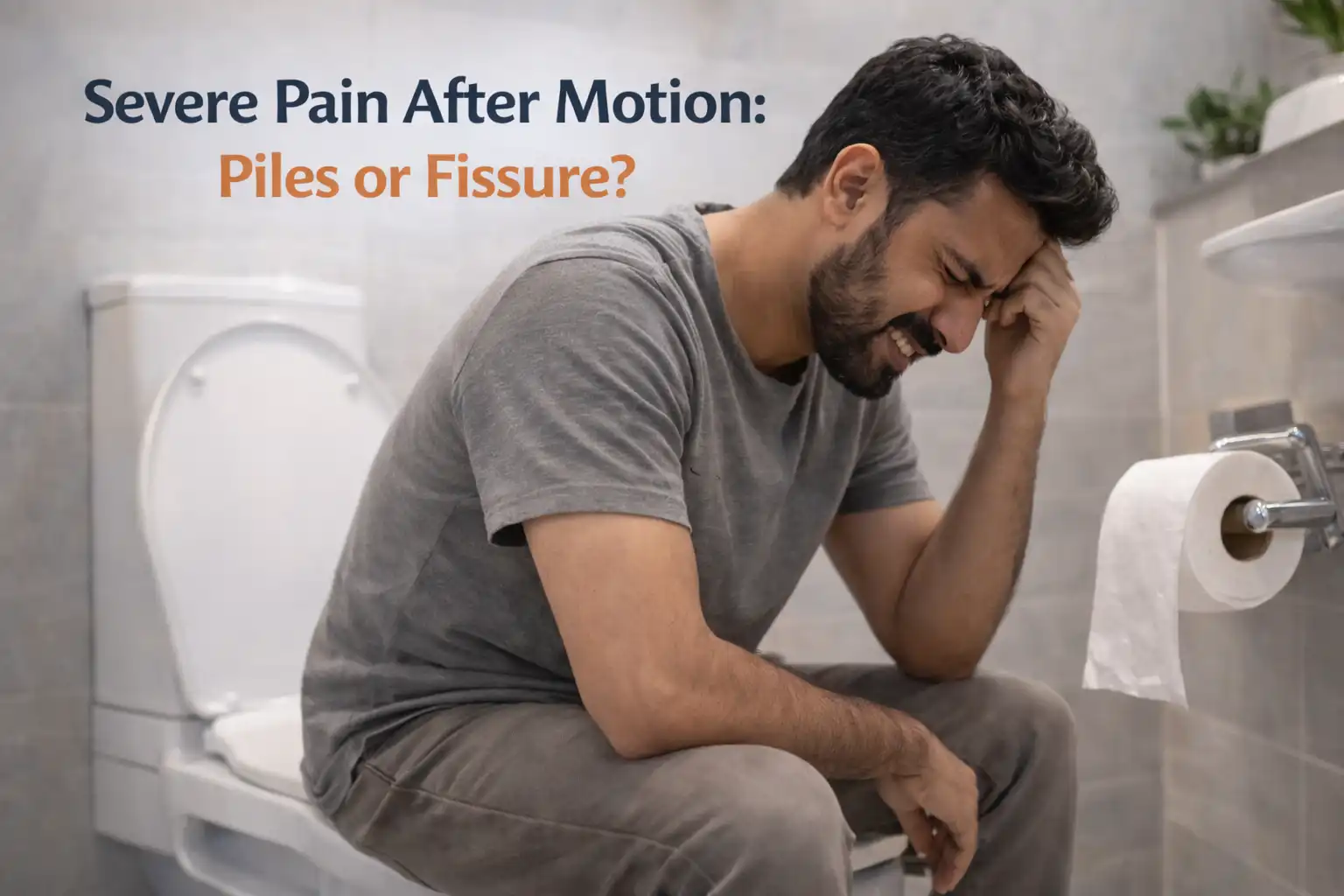
Medical Point: Anal fissure is the most commonly misdiagnosed anal condition I see in Karachi. It is frequently mistaken for piles. The key distinction: a fissure causes severe tearing pain during and after a bowel movement. Piles typically cause painless bleeding.
Signs & Symptoms
How Do You Know If You Have an Anal Fissure?
Severe Tearing Pain
Sharp, cutting pain during and after passing stool. Often described as passing glass. Can last 30 minutes to 2 hours.
Bright Red Bleeding
Small amount of bright red blood on toilet paper or stool surface. Less bleeding than piles typically.
Burning & Spasm
Intense burning and muscular cramping in the anal area after a bowel movement.
Fear of Passing Stool
Patients start avoiding the toilet and holding stool to avoid pain. This worsens constipation and the fissure.
Sentinel Skin Tag
A small fleshy lump near the anal opening that often develops beside a chronic fissure.
Incomplete Emptying
Feeling of not fully emptying because pain and spasm prevent complete relaxation.
Fissure Classification
Acute vs Chronic Anal Fissure
Acute
Under 8 Weeks
Fresh tear, red edges. Often responds to stool softeners, sitz baths and topical GTN or diltiazem cream — that is where I always start.
Chronic
Over 8 Weeks
Non-healing tear with fibrotic edges, usually with a sentinel tag. In my experience, a procedure is needed for reliable healing.
Hypertonic
High Sphincter Pressure
Strong internal sphincter spasm restricts blood flow. Laser sphincterotomy directly addresses the underlying spasm.
Traumatic
Single Event Cause
Caused by hard stool, childbirth, or trauma. May heal with conservative management if still acute.
My Philosophy
Why I Treat Fissures with Laser Sphincterotomy
Conventional anal fissure surgery — open lateral internal sphincterotomy (LIS) — has been performed for decades and works. But it requires an external incision to access the sphincter, and in my experience, post-operative pain and wound care put many patients off treatment for years. Some live with the daily pain instead.
When I introduced laser proctology to my practice in 2021, laser sphincterotomy became my first-line procedure for chronic fissures. The laser fibre divides the lower portion of the internal sphincter precisely, breaking the spasm without an external cut. Most patients I treat are walking out the same day, with significant pain relief in 48–72 hours, and the fissure itself heals over the following weeks. I still offer conventional surgery for the small number of cases where it is more appropriate — but for the vast majority of chronic fissures I see, laser is the better starting point.
Dr. Abdullah Iqbal
MBBS · FCPS (General Surgery) · PMDC Verified #63108-S
Pakistan’s first laser proctologist. MBBS from LUMHS (2012), FCPS in General Surgery from CPSP (2018), certified laser proctology training (2021). Internationally trained surgeon. 13+ years of surgical experience with 5+ years dedicated exclusively to laser proctology. Practises at Karachi Piles Clinic, in Hill Park General Hospital.
The Procedure
How I Perform Laser Sphincterotomy
01
Diagnosis
Proctoscopy confirms the fissure. Location, chronicity and sentinel tag are noted. Treatment plan decided in OPD. Consultation fee Rs. 2,000.
02
Anaesthesia
Local anaesthesia administered in the perianal region. You feel no pain during the procedure.
03
Laser Division
A laser fibre is used to precisely divide the lower portion of the internal anal sphincter — relieving the spasm without an external incision.
04
Recovery
You go home the same day. Pain relief typically within 48–72 hours. Sitz baths and stool softeners for around 2 weeks.
Treatment Comparison
Laser vs Conventional Sphincterotomy
Laser sphincterotomy and open lateral internal sphincterotomy (LIS) share the same goal — reduce sphincter spasm so the fissure can heal. They differ in how that goal is achieved, and in what the patient experiences afterwards.
Laser Sphincterotomy (KPC)
- No open surgical cut to the skin
- Precisely targeted laser energy
- Lower post-operative pain reported
- Day-care procedure, same-day discharge
- Faster return to normal activity
- Minimal risk of incontinence
- Rapid healing of the underlying fissure
Conventional Open LIS
- Open incision to access the sphincter
- Higher post-operative pain reported
- Wound care required for weeks
- Longer recovery period
- Small but real risk of incontinence
- Hospital admission often needed
- Longer healing time for the external wound
Recovery
What to Expect After Laser Sphincterotomy
Most patients I treat notice a dramatic reduction in fissure pain within the first 48–72 hours — often within hours of the procedure once the anaesthesia wears off. Here is the typical post-procedure timeline I share at consultation.
Same Day
Discharge
Most patients go home 2–3 hours after the procedure.
48–72 hrs
Pain Relief
Most patients notice significant reduction in fissure pain.
1–2 Weeks
Back to Routine
Return to work and daily routine for most patients.
4–6 Weeks
Full Healing
Fissure fully healed in most cases. Follow-up to confirm.
Recovery varies per patient. These timelines are general estimates. Post-operative instructions will be personalised at consultation based on chronicity and overall health.
Transparent Pricing
Laser Sphincterotomy Cost in Karachi
I believe in transparent pricing — you should know what you will pay before you book. The standard range below covers the procedure itself, anaesthesia, day-care use of the operating theatre at Hill Park General Hospital, and routine follow-up.
Laser Sphincterotomy
Rs. 130,000 – 150,000
Final cost depends on the complexity of the fissure (chronicity, presence of sentinel tag, hypertonic sphincter), confirmed after assessment at consultation. Consultation fee Rs. 2,000.
Patients comparing prices should know: the laser fee includes the cost of laser device consumables, which is why it is higher than open LIS. What you save is recovery time, post-operative pain and the wound care that comes with an open incision.
Insurance & Panels
Is Laser Sphincterotomy Covered by Insurance?
In most cases, yes. Laser sphincterotomy for a chronic or diagnosed anal fissure is a medically necessary surgical procedure, which makes it eligible under most individual and corporate health policies. Karachi Piles Clinic supports claims with EFU Life, Jubilee, Adamjee, IGI, State Life, Askari General, TPL and Habib Insurance, plus the corporate panels these insurers administer.
You can use your policy two ways. A cashless (panel) claim means your insurer settles directly with the facility after pre-authorisation, so you pay little or nothing upfront. Reimbursement means you pay first, then claim the amount back with your invoices and discharge summary, subject to your policy limits. Many individual policies apply a waiting period for certain conditions, while corporate group plans often waive or shorten it — but please do not delay treatment for a painful fissure over insurance uncertainty; let the clinic check your terms for you.
To confirm your cover, send your insurance card or policy number on WhatsApp to 0333-2877351, or read our complete insurance panels and claims guide.
My Approach
How a Consultation Works at Karachi Piles Clinic
Karachi Piles Clinic operates inside Hill Park General Hospital on Shaheed-e-Millat Road. My OPD runs Tuesday, Thursday and Saturday from 5:00 PM to 8:00 PM. Consultation fee is Rs. 2,000. WhatsApp 0333-2877351 to book.
At the first visit I take a full history, do a careful proctoscopy examination, and confirm the diagnosis — many patients arrive convinced they have piles when the real problem is a fissure, or vice versa. I will tell you honestly what you have. If the fissure is acute, I start with conservative management. If it is chronic and the spasm-pain cycle is established, I explain laser sphincterotomy in detail before recommending it.
Patients travel from across Pakistan and overseas for treatment at Karachi Piles Clinic. For patients outside Karachi, I offer WhatsApp video teleconsultation for an initial assessment or to review reports before travelling for the procedure.
Common Questions
Frequently Asked Questions About Anal Fissure
Does a fissure heal on its own?
Acute fissures (under 8 weeks) sometimes heal with dietary changes and topical cream. Chronic fissures rarely heal completely without a procedure — the sphincter spasm reduces blood flow to the tear, which prevents the healing cycle from completing.
Is laser sphincterotomy painful?
The procedure is done under local anaesthesia — you feel no pain during it. Afterwards, most patients tell me they experience significantly less pain than they had been living with from the fissure itself, with marked relief over the first 2–3 days.
Can the fissure come back after laser treatment?
In my experience, the great majority of patients have lasting healing after laser sphincterotomy. Recurrence is uncommon when post-operative dietary advice (high fibre, adequate hydration) is followed consistently. If symptoms ever return, follow-up review identifies the cause.
Is there a risk of incontinence?
Because laser sphincterotomy divides only the lower portion of the internal sphincter and is precisely controlled, incontinence risk is minimal in my experience. This is a major reason I prefer it over open LIS for most chronic fissures.
How much does laser sphincterotomy cost in Karachi?
At Karachi Piles Clinic, laser sphincterotomy costs Rs. 130,000 to Rs. 150,000 depending on chronicity and complexity. This includes the procedure, anaesthesia and routine follow-up. Final cost is confirmed after assessment at consultation.
How do I know if I have a fissure or piles?
Severe sharp tearing pain during and after passing stool typically points to a fissure. Painless bright red bleeding, with or without a lump that comes and goes, points more towards piles. A 10-minute examination in OPD confirms the diagnosis.
Where is Karachi Piles Clinic located?
Karachi Piles Clinic is inside Hill Park General Hospital on Shaheed-e-Millat Road, Karachi Memon Society, Karachi 75350. My OPD runs Tuesday, Thursday and Saturday, 5:00 PM to 8:00 PM. Closed Sunday.
Are you PMDC-verified?
Yes. My PMDC registration number is 63108-S. I hold MBBS from LUMHS (2012), FCPS in General Surgery from CPSP (2018), and certified laser proctology training (2021).
Other Services
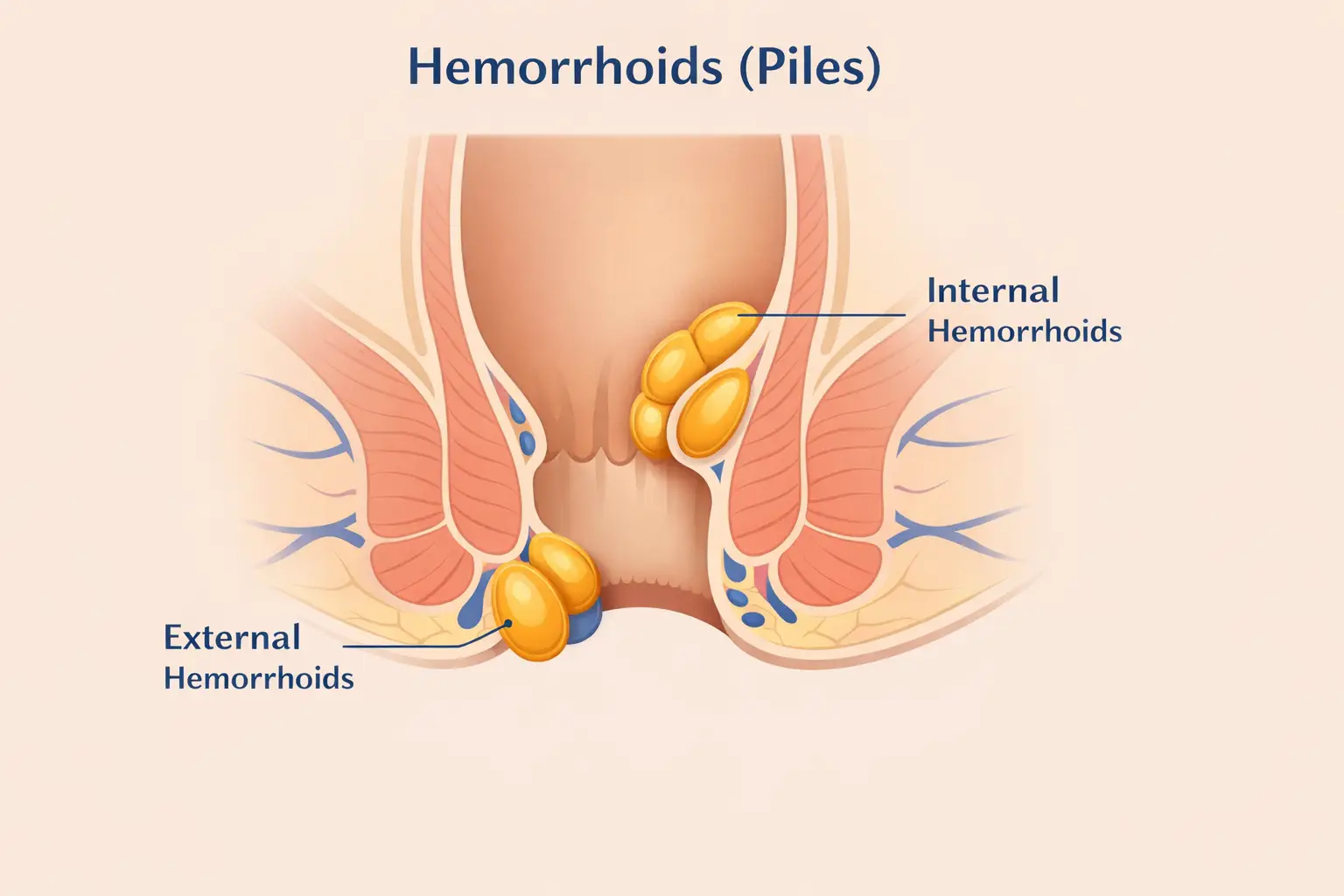
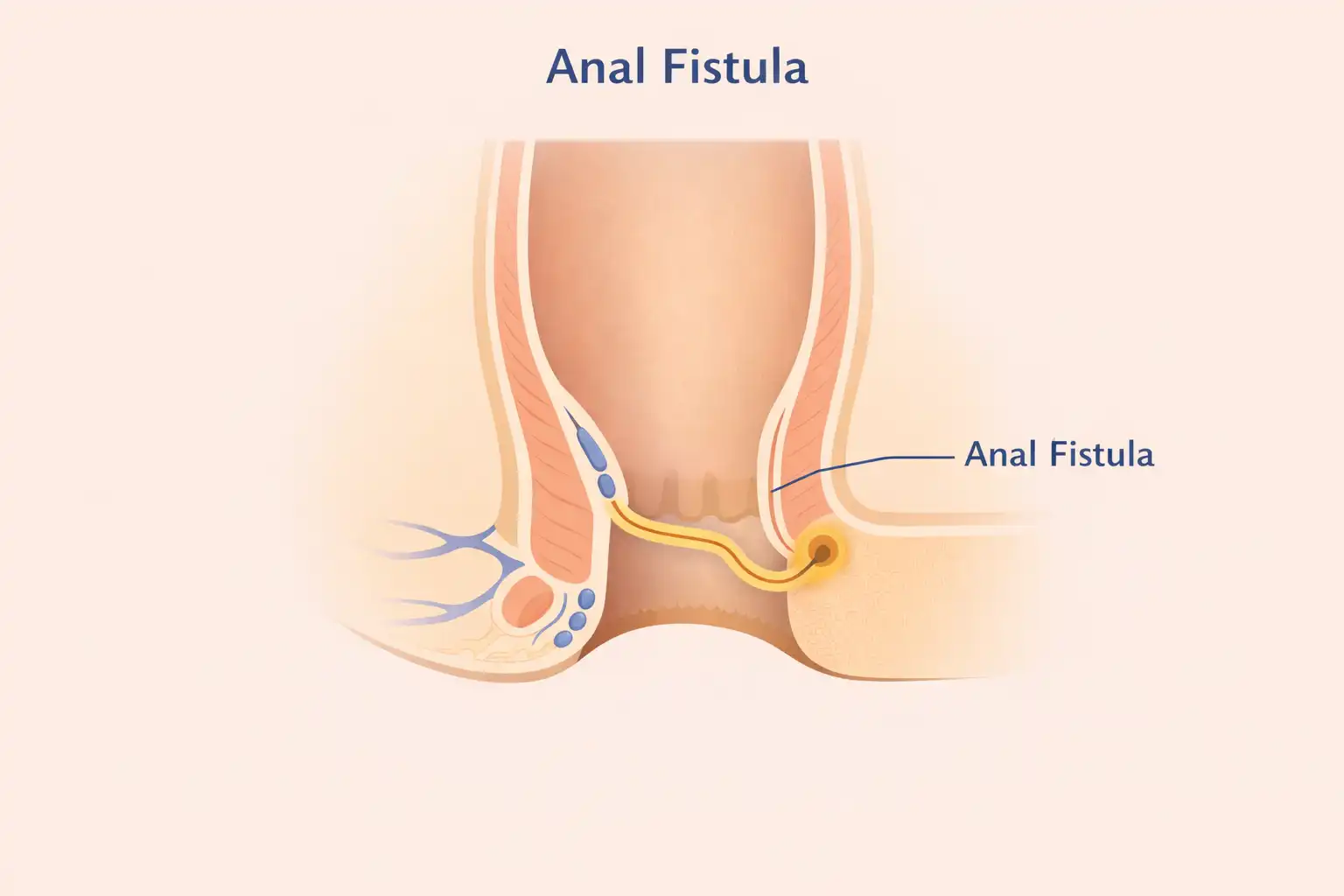
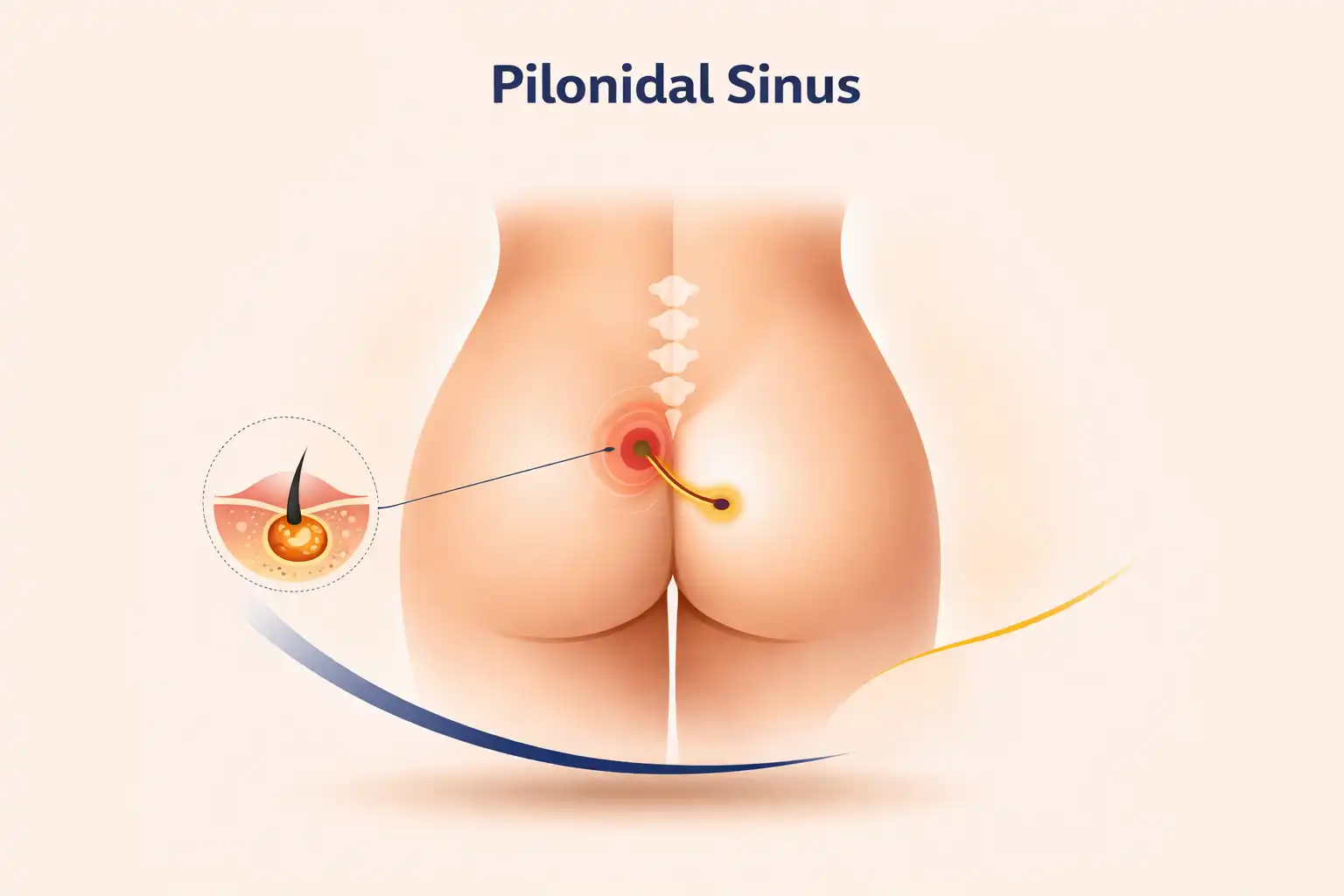
Related Treatments at KPC
Book Your Consultation
I will examine you, confirm whether it is a fissure or something else, and recommend the right treatment honestly. WhatsApp 0333-2877351 · Tue / Thu / Sat 5–8 PM · Karachi Piles Clinic, Hill Park General Hospital.
🧠 Not sure of your diagnosis?
Take the Free 2-Minute Symptom Quiz
Answer 10 simple questions and find out whether you have Piles, Fissure, Fistula, Pilonidal Sinus or a Perianal Abscess — with an instant result and estimated treatment cost.
🦥 Start the Symptom Quiz →