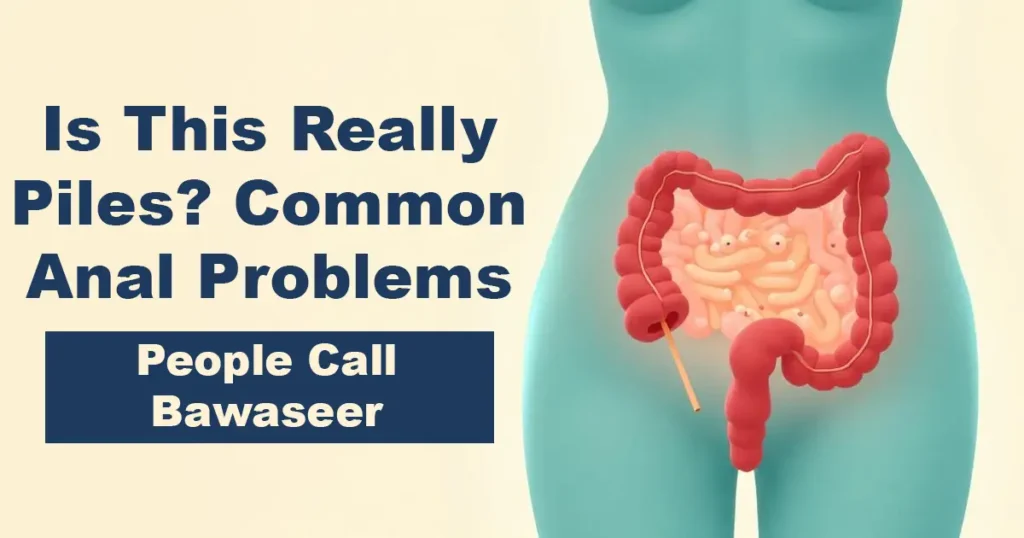
People in Karachi are generally very patient. Too patient, honestly. I say this with respect — but I have seen patients walk into my clinic with Grade 4 piles, severe anemia, and months of bleeding that they simply tolerated. “Doctor, socha tha theek ho jayega.” I hear this regularly. And it is exactly why I felt the need to write this clearly — there are certain piles symptoms that you must not ignore.
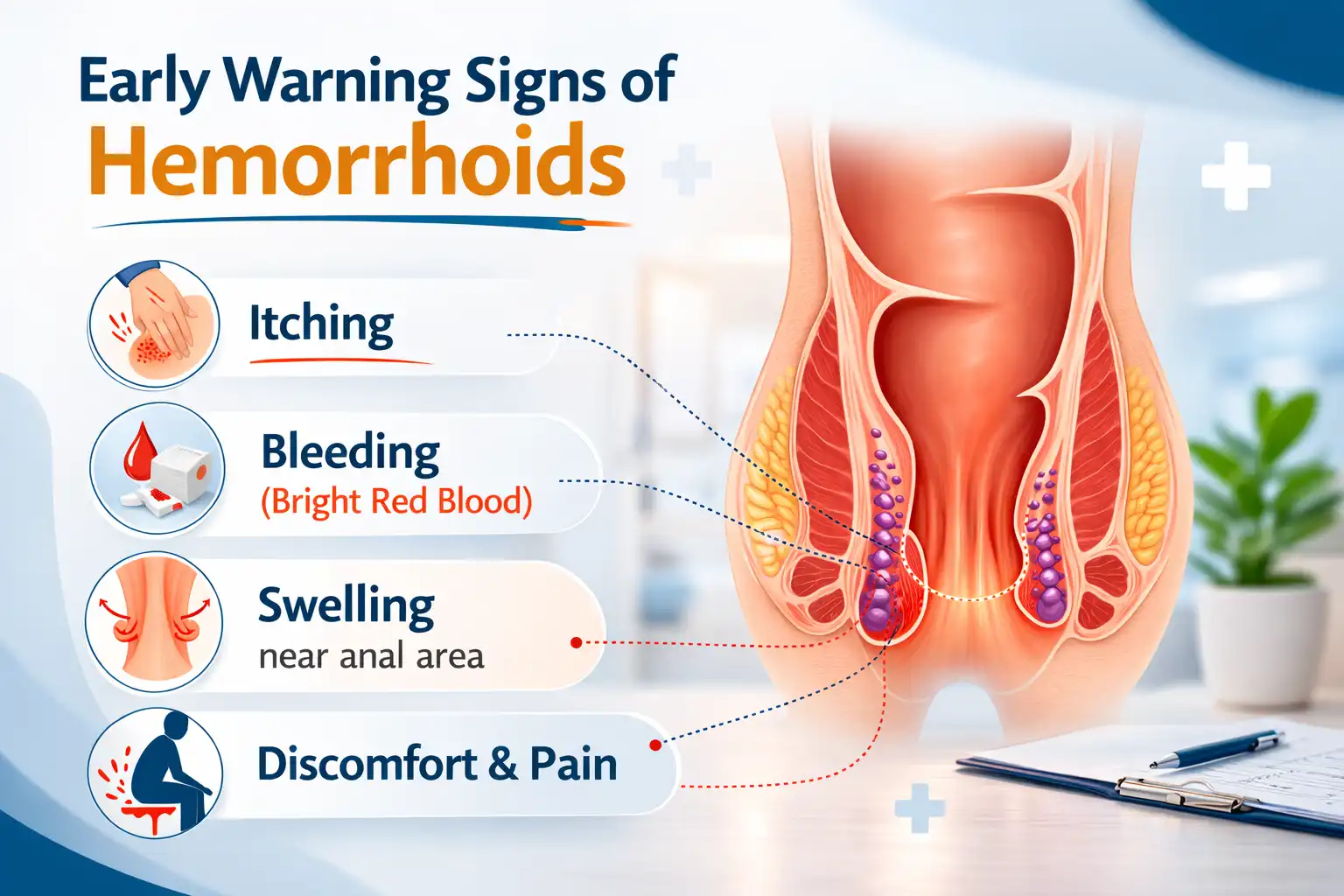
Which Piles Symptoms Are Too Serious to Ignore?
Not every piles symptom is an emergency. Mild itching, occasional discomfort, small amounts of blood on toilet paper — these can often be managed with dietary changes and topical treatments initially. But the following signs mean you need to see a specialist without delay:
- Bleeding that is heavy, frequent, or has lasted more than 2 weeks
- A lump coming out of the anus that does not go back in on its own
- Severe pain, especially with fever — this can mean infection
- Significant change in bowel habits along with rectal bleeding
For quality piles treatment services, the most important step is not delaying your first visit. Also review specialized care approach to understand what options exist.
Why Do Patients in Karachi Delay Getting Emergency Piles Surgery?
In my experience, the reasons are a mix of embarrassment, fear, and the hope that things will resolve on their own. Piles is not a topic people discuss openly in Pakistan. Many patients, especially women, feel awkward mentioning it even to a doctor. And so they wait. And wait. Until the condition becomes severe.
Also, there is a strong culture of trying home remedies first — desi nuskhe, herbal medicines, things relatives suggest. Some of these provide temporary relief. But for advanced piles? They do not address the root problem at all. By the time these patients reach me, they often need emergency piles surgery when earlier they could have been managed with a simple procedure.
What Happens When Piles Are Left Untreated for Too Long?
Piles do not simply disappear on their own in advanced stages. What I have observed clinically is a clear progression. Grade 1 piles — small, internal, bleed occasionally — can progress to Grade 2, then Grade 3, then Grade 4 where the pile permanently protrudes outside the anus. Each grade is harder to treat than the previous one.
Also, long-term rectal bleeding causes iron deficiency anemia. I have tested patients with hemoglobin levels of 7 or 8 g/dL — severely low — because of untreated piles bleeding. They were so fatigued they could barely function. All from something that could have been treated easily in its early stage. See my article on burning after motion — is it piles or normal for guidance on what these symptoms typically mean.
How Do You Know If You Need Emergency Piles Surgery or Can Wait?
This is a question I get asked a lot. My general guidance — emergency means same day or next day, not weeks later. If you have any of the following, come in as soon as possible:
- A prolapsed pile that is stuck outside and becoming dark or black in color — this means the blood supply is cut off (strangulated pile)
- Severe pain with inability to sit, stand, or walk comfortably
- Fever above 38.5°C with any anal symptoms
- Significant blood loss — feeling dizzy or weak from bleeding
- Complete inability to pass stool because of pain
- A sudden painful lump that appeared overnight
If none of these apply, you can schedule a routine appointment. But please do schedule it — do not keep postponing. Visit my guide on piles warning signs that need immediate care for more on urgency levels. Also chronic fissure solutions may be relevant if your symptoms include severe pain after bowel movements. For more on this, see KPC fissure laser surgery.
What Lifestyle Changes Can Prevent Piles From Getting Worse?
While I always recommend specialist treatment for active symptoms, there are things you can do to prevent progression. These are not a substitute for treatment — but they help:
Drink plenty of water — Karachi ka mausam hot hota hai, dehydration worsens constipation which worsens piles. Eat high-fiber foods. Avoid sitting on the toilet for too long (reading, using your phone). Do not strain. Take regular short walks. Also see local treatment guidelines for diet-specific advice suited to Pakistani food habits.
What do you think — have you been putting off a visit because you hoped it would get better? It is okay to admit that. Most people do. But now you know what signs mean you cannot wait any longer. Take that step.
🤔 Free Tool
Not Sure What Your Symptoms Mean?
Take our free 10-question symptom checker. Get an instant result — Piles, Fissure, Fistula, or Pilonidal Sinus — with treatment options and estimated cost. For more on this, see fistula treatment options at our clinic.
▶ Free 2-Minute Symptom QuizUnder 2 minutes · Free · Instant result · No login required
Book Your Consultation
Want to discuss your symptoms with Dr. Abdullah Iqbal?
WhatsApp me directly on 0333-2877351. OPD timings: Tuesday, Thursday, Saturday — 5:00 PM to 8:00 PM at Karachi Piles Clinic, in Hill Park General Hospital, Shaheed-e-Millat Road, Karachi. Consultation fee Rs. 2,000.
🔗 Related Articles